Stryneelva elv Stryn marvin kuhr
©Dag Ulvedal / Visit Nordfjord
Stryneelva vinter Ruben Soltvedt
©Ruben Soltvedt
Bødalen 2025 - Dag Ulvedal / Visit Nordfjord
©Dag Ulvedal / Visit Nordfjord
Jostedalsbreen Nasjonalparksenter
©Jostedalsbreen Nasjonalparksenter

Glaciers in Nordfjord

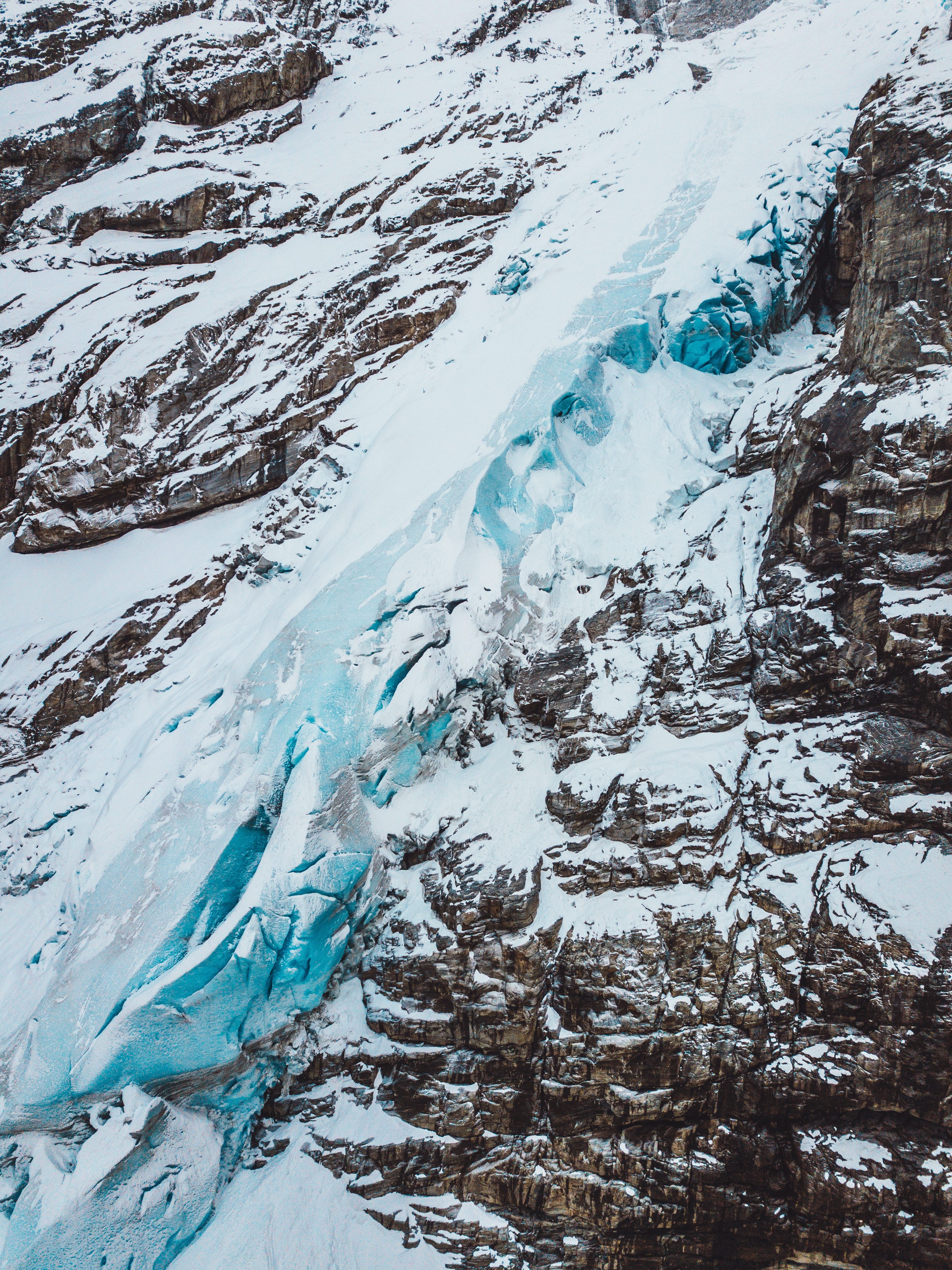
Nordfjord is one of the places in Norway where the glaciers are close by. Here you will find the glacier arms of Jostedalsbreen – the largest glacier on the European mainland – not far from Norway’s westernmost glaciers in Gloppen and Bremanger. Whether you want to see the blue-white icefall from a distance or ski right in the middle of summer, it’s great to have Nordfjord as a base.

Jostedalsbreen Nasjonalparksenter

Old Strynefjell Road @ Helge Stikbakke


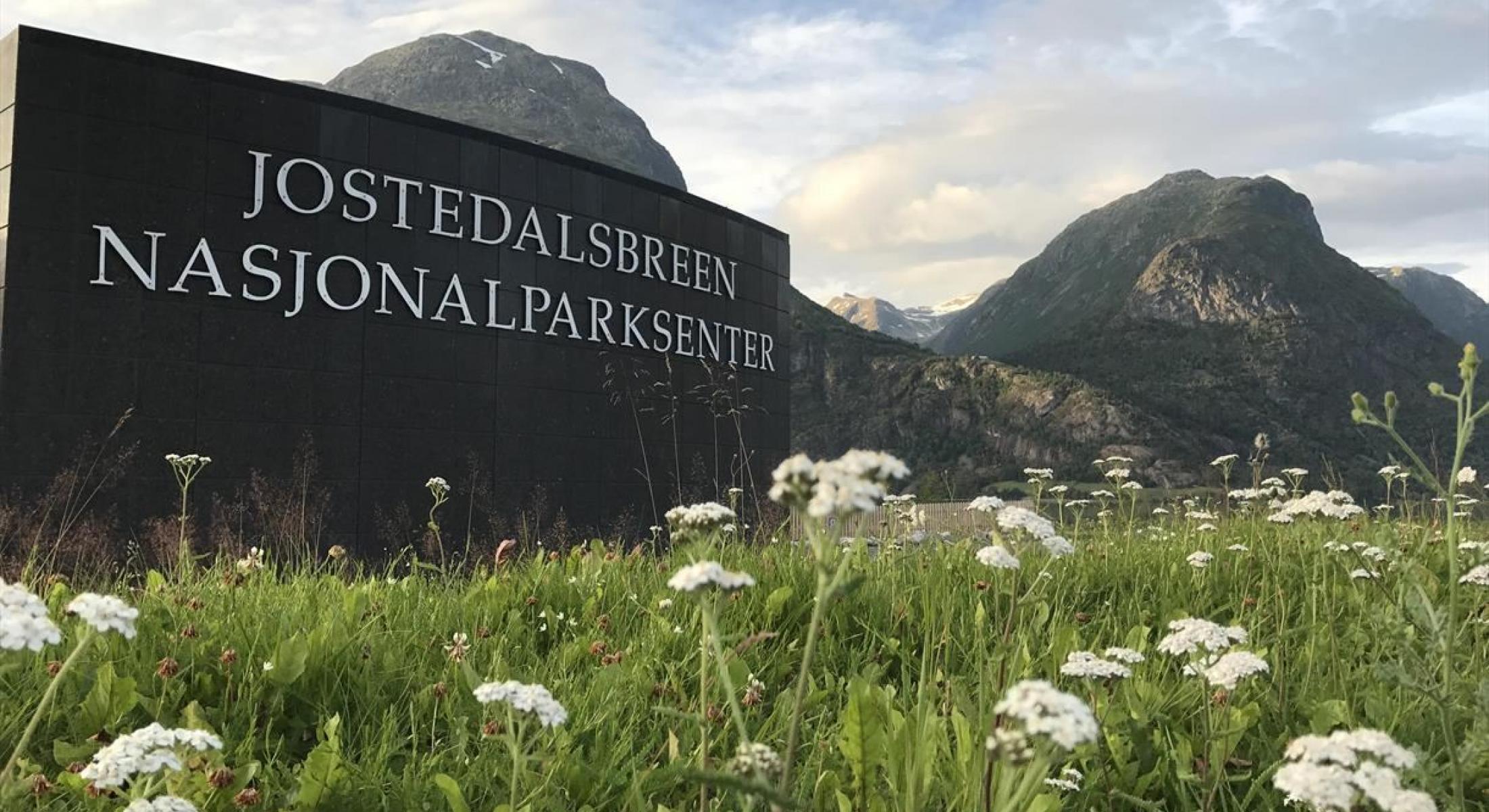
Jostedalsbreen and National Park Centre

Jostedalsbreen covers about 487 km² and separates two of the world’s longest fjord systems from each other – Sognefjorden and Nordfjorden. Many of the most accessible glacier arms are on the Nordfjord side, and are easy to get close to by car.

If you want to learn more about the glaciers’ geology, climate, and future, the Jostedalsbreen National Park Centre in Oppstryn is the natural starting point. Here you gain knowledge about how the ice is formed, why the glaciers change, and what the glaciers mean for the surrounding nature.


Oldedalen: Briksdalsbreen and Brenndalsbreen

Oldedalen is the valley with two glacier arms lying next to each other. The well-known one and the slightly less visited one.

Briksdalsbreen

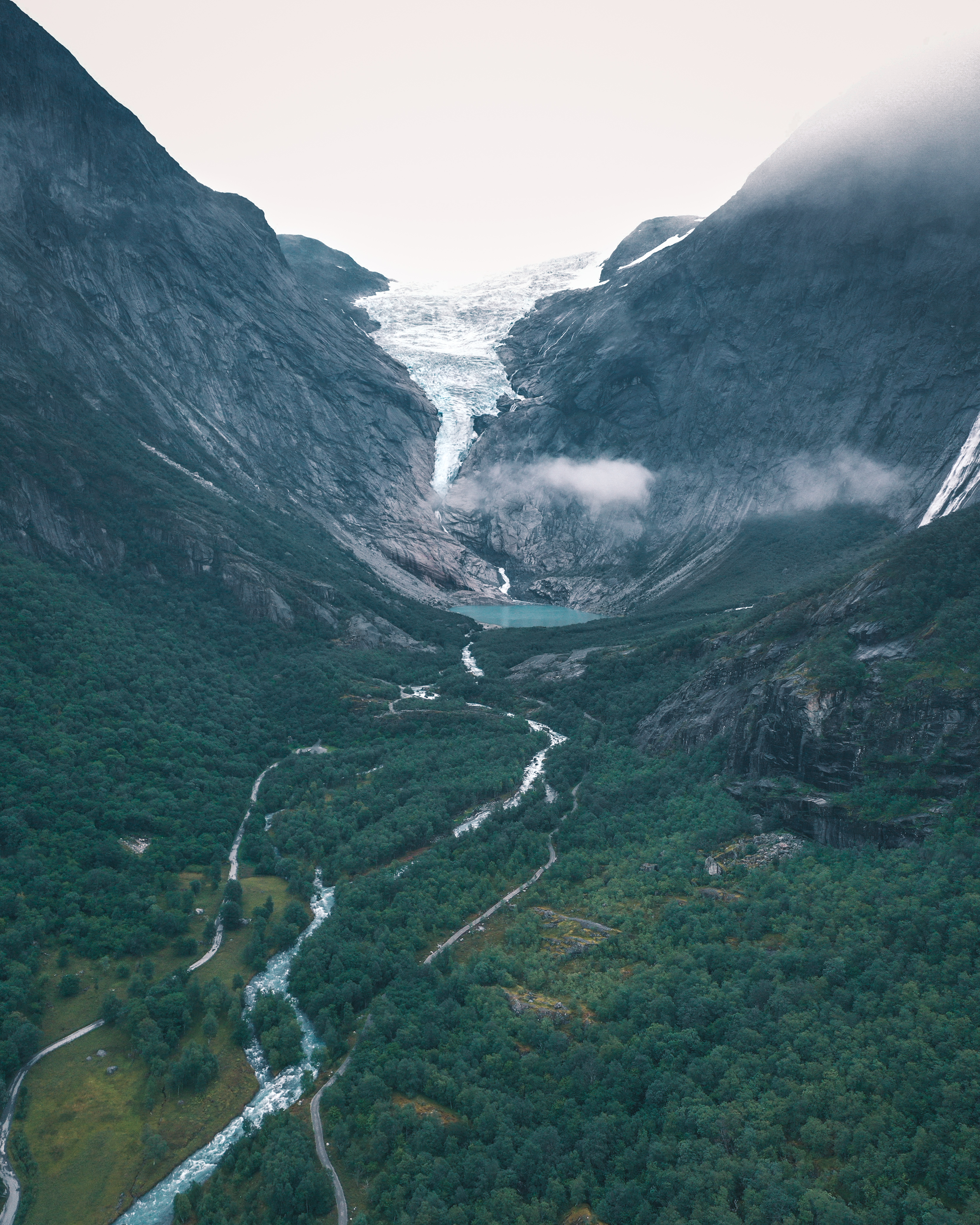
Briksdalsbreen is the most visited glacier in Nordfjord. From Briksdalsbre Fjellstove it is about 3 km along a marked path to the glacier front. If you don’t want to walk yourself, you can take one of the troll cars – the open vehicles that take you past waterfalls and lush nature all the way into Kleivane. Briksdalsbreen has been a well-known tourist destination since the 1800s and still amazes with the dramatic icefall that plunges down into the narrow valley.

Brenndalsbreen

Brenndalsbreen is the neighbouring glacier to Briksdalsbreen and lies in one of the beautiful side valleys in Oldedalen. It is less known, but no less spectacular. From the parking area at Aabrekk you follow the tractor road up to Brenndalsselet, a fine viewpoint. The marked trail ends at about 280 m above sea level, and from here it is 1.5 km to the glacier itself. The last kilometres are demanding and suitable for experienced hikers. Feel free to use Olden as a base for the trip.

Briksdalsbreen i skumring - Ruben Soltvedt

Briksdalsbreen at dusk @ Ruben Soltvedt

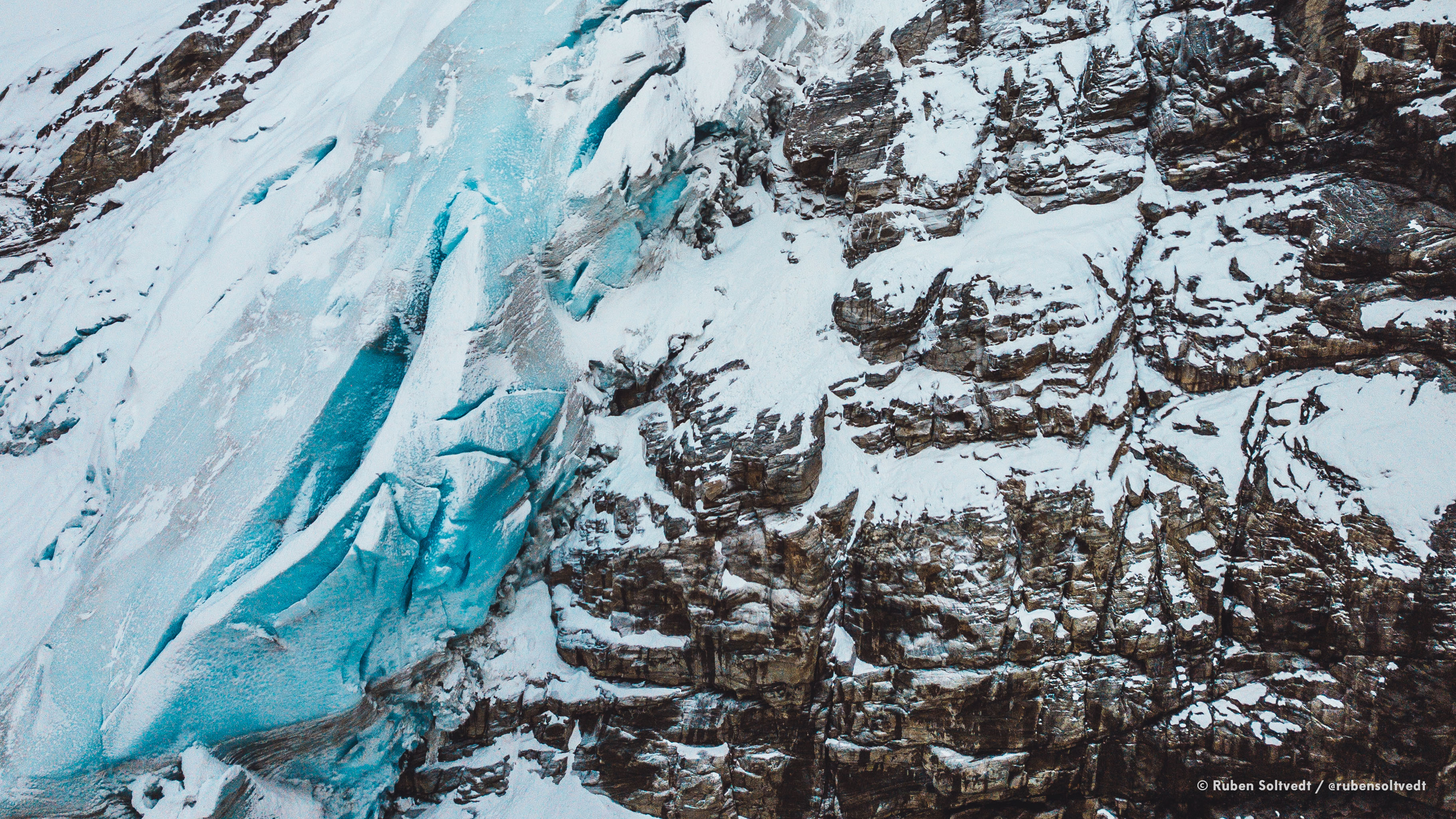
Isbre - Ruben Soltvedt

Glacier @ Ruben Soltvedt

Brenndalsbreen - Thomas Sagvik

Brenndalsbreen @ Thomas Sagvik

Lodalen: Kjenndalsbreen, Bødalsbreen and Tindefjellbreen

Lodalen offers three glacier experiences, each with a different character.

Kjenndalsbreen

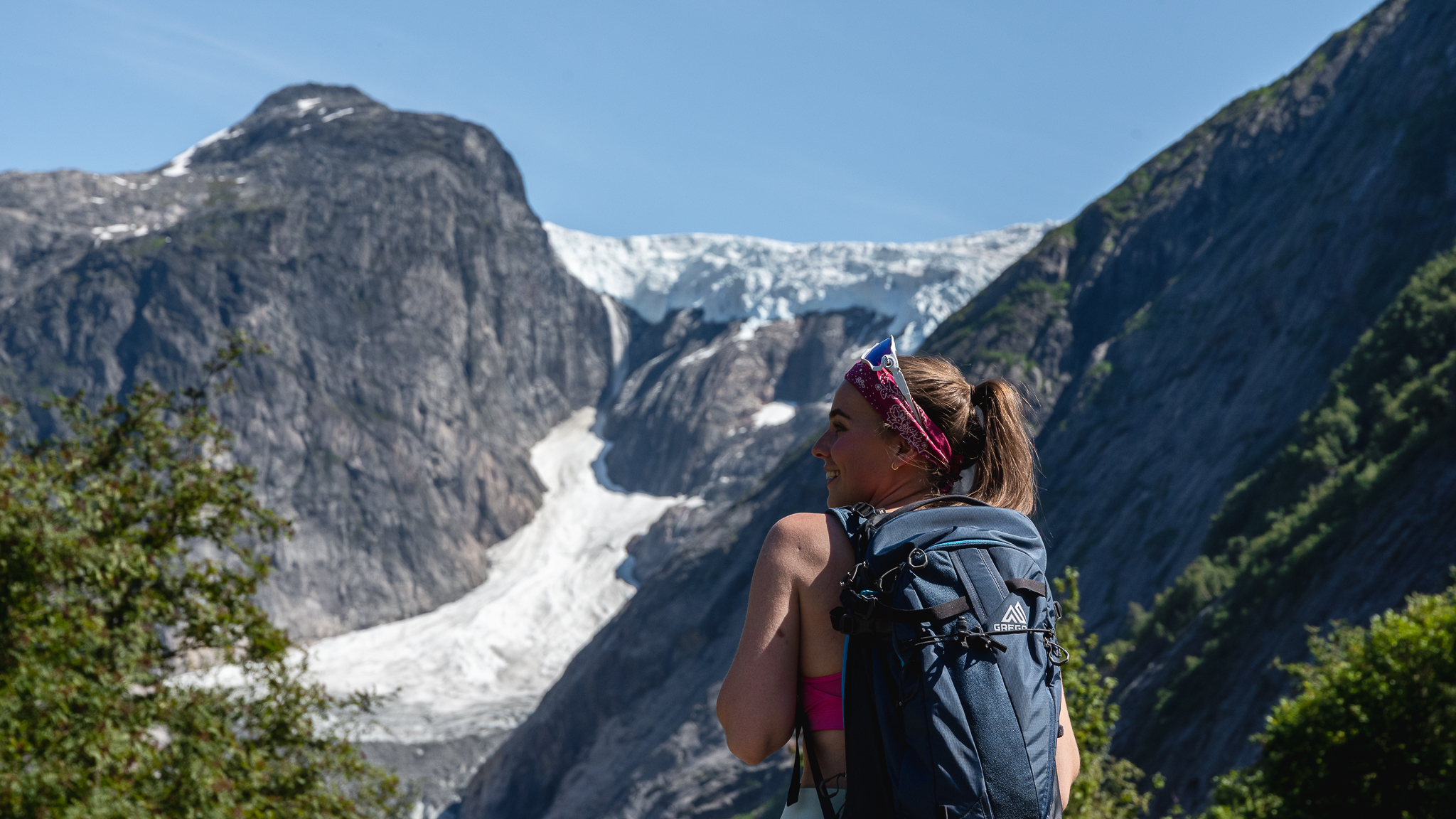
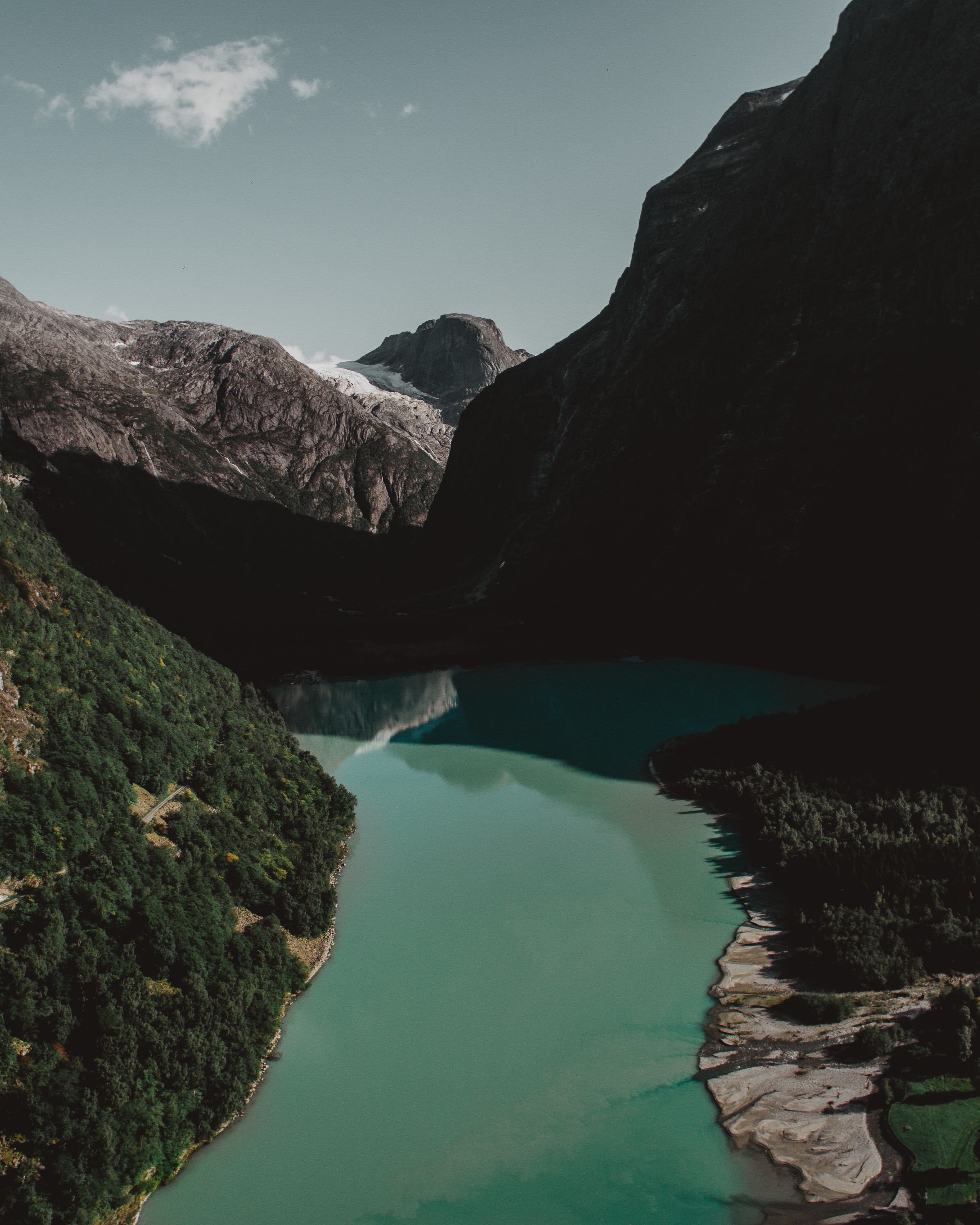
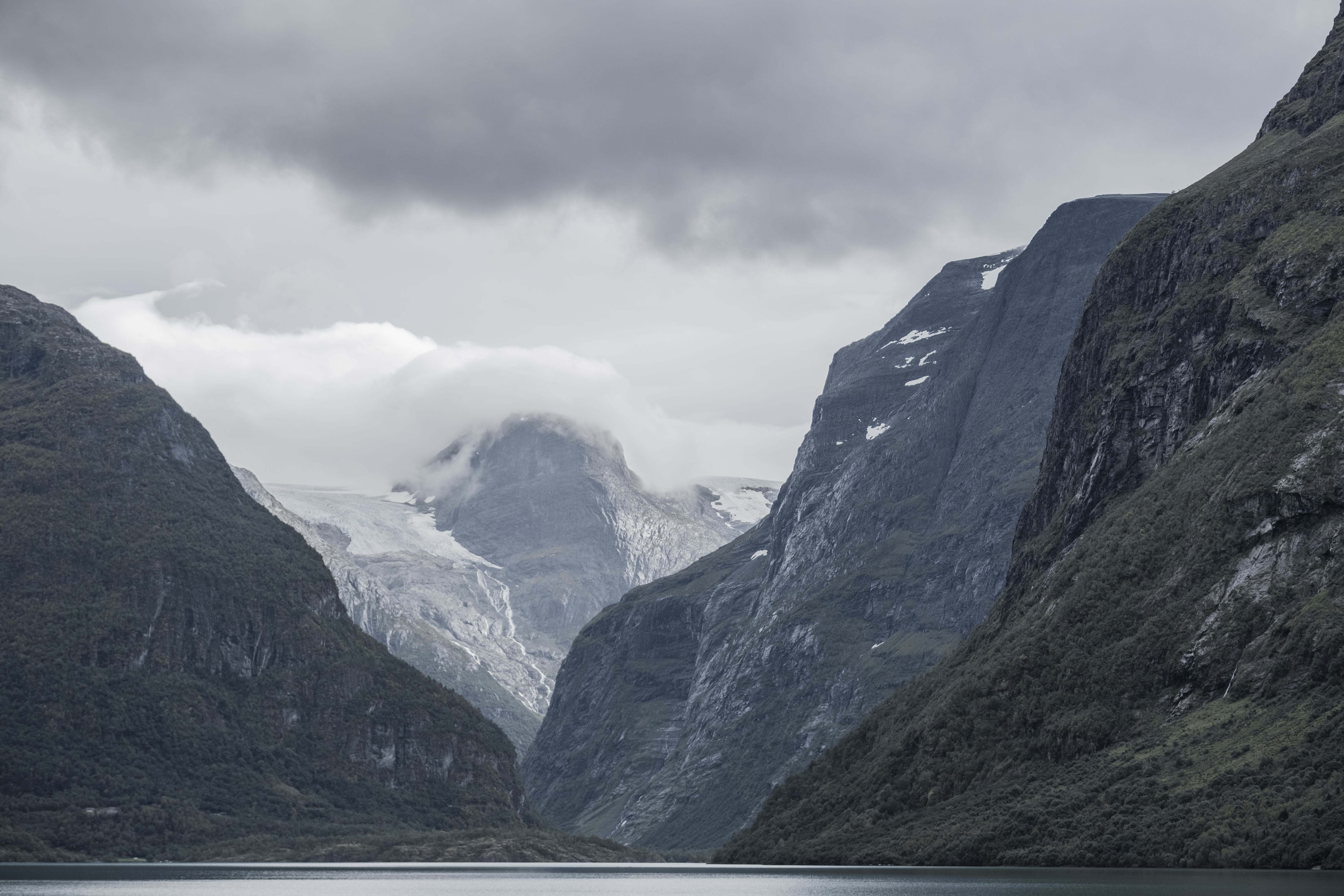
Kjenndalsbreen is located about 17 km from Loen along the blue-green Lovatnet lake. In summer, you can take the boat on Lovatnet or the Lodalen Shuttle Bus into Kjenndalen – a nice way to experience the valley without having to drive all the way in yourself. From the parking area, it’s only a 10–15 minute walk to the glacier front, and the walk along the river that carries meltwater from the glacier is suitable for the whole family. Watch out for Krunefossen along the way – the water has carved an impressive giant’s kettle in the rock over thousands of years. Kjenndalsstova is located right by the parking area and is a natural stop for food and drink.

Bødalsbreen

Bødalsbreen is the neighboring glacier to Kjenndalsbreen. A well-marked and family-friendly 3.5 km trail takes you in from the parking area, through beautiful Western Norway scenery and past Bødalssetra – where camping facilities are available at Bødalsseter Brecamp.

Tindefjellbreen

Tindefjellbreen is in a remote location, about 10 km east of Loen and roughly halfway between Bødalen and Erdalen. The 20 km2 glacier is part of Jostedalsbreen National Park and a good alternative for experienced mountain hikers who want to get a bit farther away from the beaten path. Loen is a natural starting point.
 

Lodalen - Thomas Sagvik

Lodalen @ Thomas Sagvik

Isbre - Ruben Soltvedt

Glacier @ Ruben Soltvedt

Tystigbreen – summer skiing on the glacier

In Strynefjellet lies Tystigbreen, where you’ll find something truly unique: summer skiing on the glacier. Stryn Sommerski is usually open from late May to early July, right in the middle of the peak season. Access is via Strynefjellsvegen, a national tourist route with magnificent views over mountains and fjords. When the snow melts early in summer, the glacier is used for glacier walking with a guide.

Myklebustbreen

Myklebustbreen is Norway’s seventh-largest glacier, with an area of 45 km². The glacier stretches from 890 to 1,710 metres above sea level, and the highest point lies beneath the nunatak Snønipa (1,827 m a.s.l.), which rises up from the ice plateau. The glacier is located in Jostedalsbreen National Park and is best suited for those experienced in the mountains. Byrkjelo and Sandane are good starting points.

Ålfotbreen and Gjegnalundsbreen

Ålfotbreen and its neighbouring glacier Gjegnalundsbreen lie on the border between Gloppen and Bremanger, and are the westernmost glaciers in Norway. The area is protected as the Ålfotbreen Landscape Protection Area, and here you’ll find very striking Devonian shelf formations that are found nowhere else in the world. The hike to the glacier is demanding and best suited for those experienced in the mountains. The DNT cabins Gjegnabu and Blåbrebu are popular starting points for exploring the glaciers.

You can base yourself in Sandane, Svelgen, Ålfoten, Bremanger or Kalvåg – all with relatively short distances to hikes into the landscape protection area.
 

Krunebreen Lodalen Fjell - Visit Nordfjord

Lodalen @ Visit Nordfjord

Safe travel on and near glaciers

The glaciers are in constant motion and change. New crevasses, calving and rockfalls can happen suddenly and without warning – even on glacier arms that seem calm from a distance.

•    Stay on marked trails and respect barriers and warning signs at the glacier front
•    Never go onto the glacier alone
•    Walking on the ice itself requires a certified guide, helmet, crampons, rope and ice axe
•    Dress for the conditions – it is always colder by the glacier than in the valley
•    Be aware that ice and rock can break loose from the glacier front without warning

Glaciers in Nordfjord